
Learning Condition
Ownership
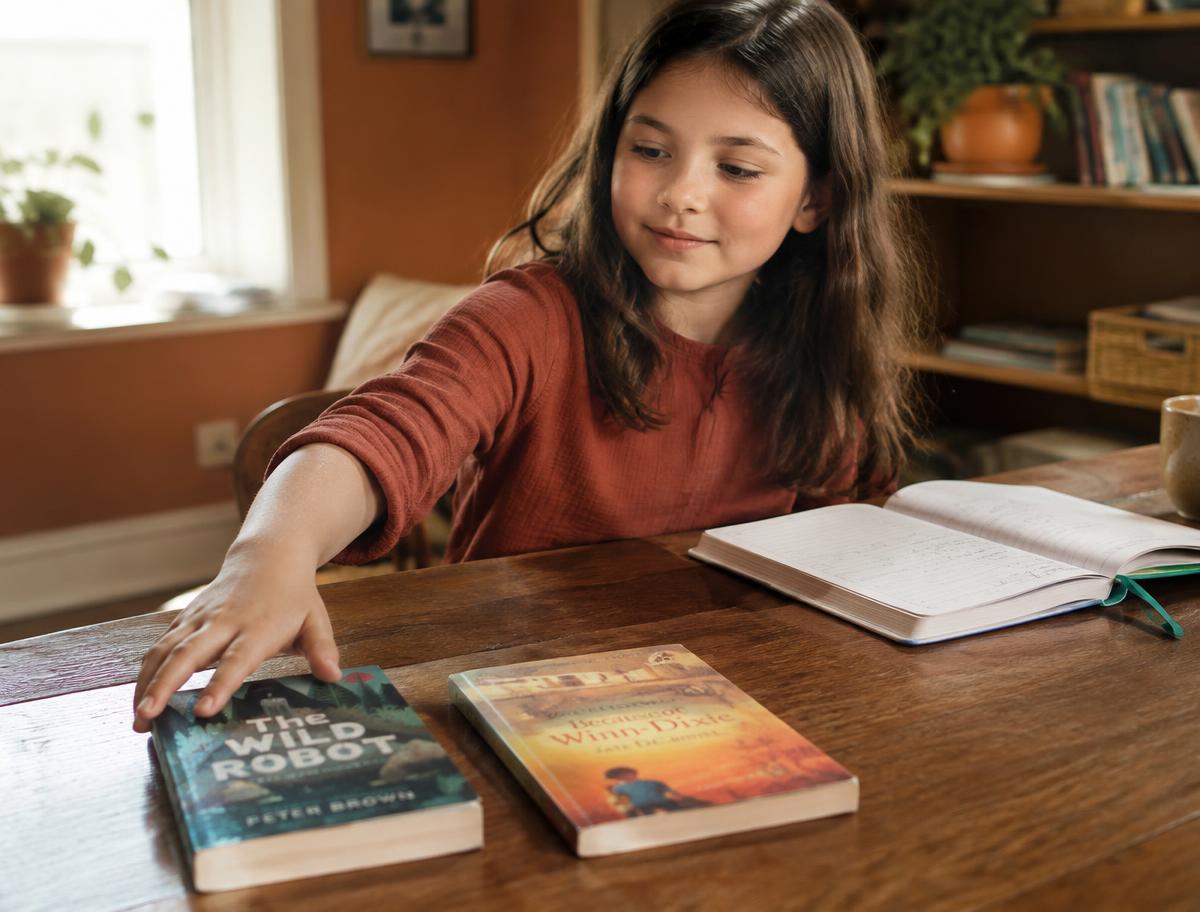
Ownership describes how much of the learning belongs to the child — what they choose, sequence, and take responsibility for. Some children come alive with choice; others are relieved when the decisions are made for them.
Have a voice in the process.
How this condition shapes learning
Getting started
Reacts strongly — either way — when handed a choice. Some children light up with responsibility; others freeze under it. Investment in the work often tracks with felt authorship.
What builds engagement
With right-sized ownership, motivation becomes self-sustaining. Making real decisions builds executive function and transfers well to future self-directed study.
What may create friction
Too much ownership too soon can overwhelm, while too little can breed passivity or resistance. The comfortable level shifts as the child matures.
Ways to support ownership
Small, practical shifts for everyday lessons.
- 1
Offer choices inside a frame
Bounded choices give real authorship without the weight of unlimited options.
Try: “Which two of these three would you like to do today?”
- 2
Start with the order, not the content
Letting your child own the sequence of the day is an easy first step toward ownership.
- 3
Widen the frame gradually
As competence grows, expand what they decide — topics, pace, even whole projects.
Curriculum features to look for
Helpful signals, not requirements. How you use a curriculum can matter as much as the materials themselves.
- Optional extensions, tracks, or self-selected reading
- Invitations for student input on pace or topic
- Open-ended projects with room for personal direction
- Or the opposite: fully-planned programs that remove decision fatigue
A gentle reminder
Ownership isn't about handing over the reins all at once. It's about right-sizing the choices so your child feels the work is theirs.
A child who prefers decided-for-them learning isn't passive or unmotivated — they may simply want to spend their energy on the work itself. Ownership can grow over time, one small choice at a time.
Explore what fits
Other conditions