
The Good and the Beautiful Science
A hands-on, family-style, Christian (general/nondenominational) science and health unit-study curriculum with no formal tests, ideal for families teaching multiple ages together and prioritizing engagement over graded assessment.
View course breakdown
- Grade range
- PreK-12 (Science for Little Hearts and Hands PreK-2; 19 unit studies grades 3-8; separate High School Biology grades 9-12)
- Format
- A Christian (general/nondenominational), family-style unit-study science and health curriculum with a shared Course Book and a consumable Student Journal per child, using supplementary experiment-demo videos rather than video-anchored lessons, and no formal tests or quizzes.
- Course Structure
- Unit study
- What's included
- Shared Course Book (per unit study), consumable Student Journal per child, supplementary experiment-demo videos, cutting/assembly craft materials (cards, mini-books); no formal assessment materials.
- Consumable
- Yes
- Role
- Core
- Daily time
- 20–120 minutes
Quick decision
In a sentence
The curriculum explicitly has no formal assessments, quizzes, or tests at any level, relying entirely on hands-on engagement and journaling to build understanding, and takes no doctrinal position on the age of the earth.
A great fit if
Children and families who tend to thrive here.
- Christian families who want a general (nondenominational), hands-on, family-style science curriculum with no formal testing and flexibility to teach multiple ages together.
Think twice if
Where it may take more adjusting.
- Families needing formal assessments/grades for accountability or transcripts, or families wanting a strictly secular science program.
Parent Experience
What day-to-day actually looks like
How much work this is for you, how independent your child can be, and what a week feels like.
At a glance
Your day with this program
Daily time
20–120 min
Prep
Moderate
Parent at the table
High
Course Structure
Unit study
Prep required
How much do I do before the lesson?
Despite an "open-and-go" label, cutting/assembling cards and mini-books require real prep time per source.
Parent involvement
How much am I at the table?
Source describes the program as "teacher intensive"; rates Teaching Involvement as High.
Student independence
How much can my child carry?
Source rates Student Independence as Low-Moderate.
Daily workload
How much of the day does this take?
Publisher states 20-30 minutes; reviewers report actual sessions running 1-2 hours — flagged discrepancy in source record.
Cognitive demand
How hard is the thinking?
Challenging enough to stretch without overwhelming.
Hands-on level
How much making and doing?
Source rates Hands-On Level as Moderate-High.
Flexibility
Can we bend it to our week?
Easy to speed up, slow down, or rearrange.
Screen time
How much happens on a device?
Video is supplementary (experiment demos) only, not a lesson anchor.
A Typical Day
What a lesson feels like
A parent leads family-style lessons from a shared Course Book, incorporating hands-on crafts (cutting/assembling cards and mini-books), occasional experiment-demo videos, and journal work, with each child recording work in their own consumable Student Journal rather than being formally tested.
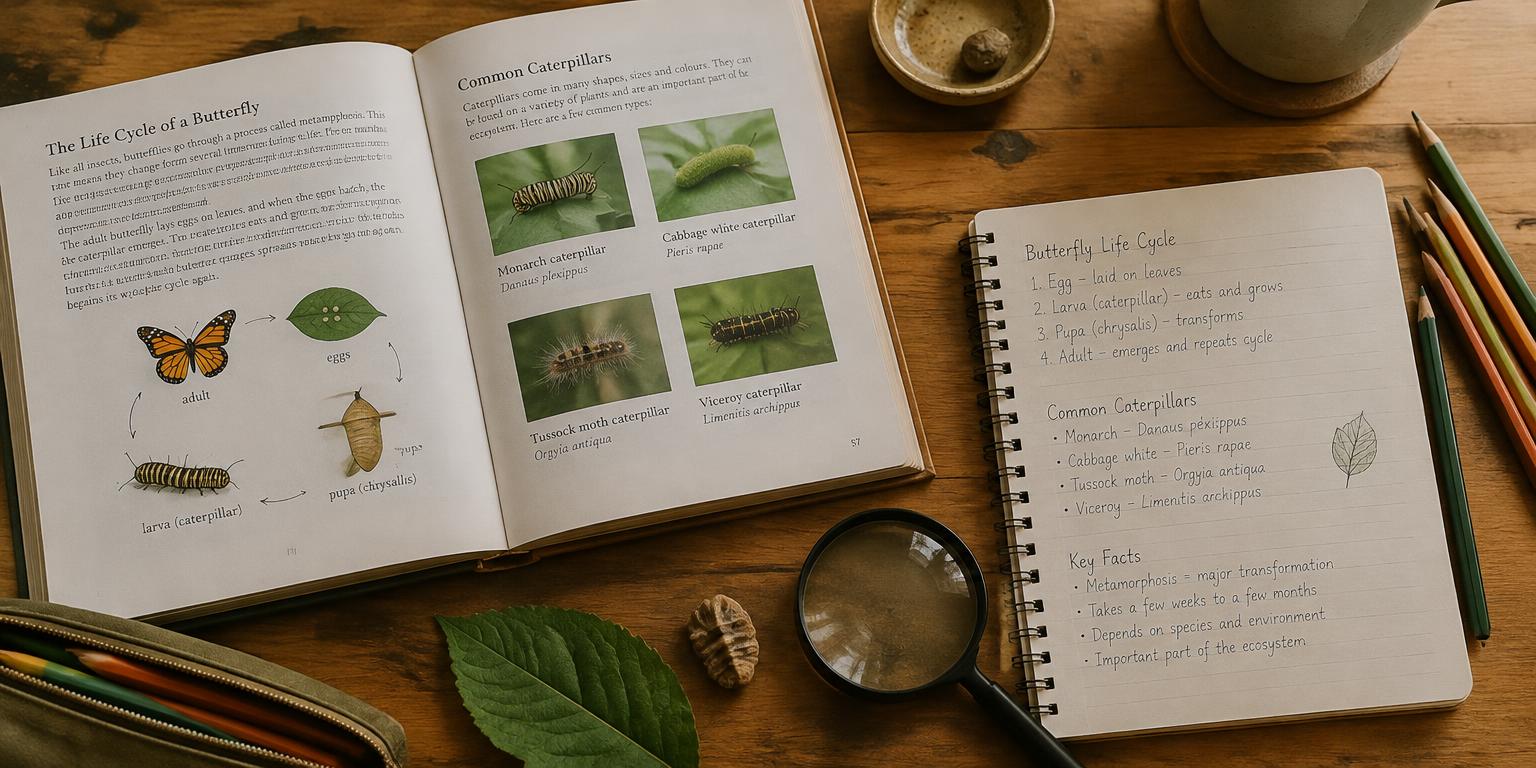
A rhythm, not a checklist
20–120 min a day- 1
Read
Family-Style Shared Course Book
Core - 2
Discuss
Talk through the ideas and check comprehension.
Core - 3
Record
Consumable Student Journal
Core - 4
Explore
Hands-On Cutting And Assembly Crafts
Core
Most families move through the core steps and dip into enrichment when there's room — not every activity happens every day.
Learner fit
Fit at a glance
Who tends to thrive here, seen through all three lenses. Tap any lens to see more.
Learning Approach
Best for Reflective Thinker & Collaborative Learner
See more
- Reflective ThinkerExcellent fit
Each child journals independently in their own consumable Student Journal, supporting individual reflection and recording of understanding even within a shared…
- Collaborative LearnerExcellent fit
The explicitly family-style format is designed for one parent to teach multiple children of different ages together from a single shared Course Book, prioritiz…
- Curious ExplorerPossible fit
Family-style units ("one lesson for all your children up through eighth grade") in a fixed order; engaging but not built around the child's own questions (bord…
- Persistent SolverPossible fit
With no formal tests, quizzes, or graded skill-drill progression, the curriculum offers little structured reward for sustained problem-solving effort compared…
Learning Conditions
Thrives with Safety & Structure
See more
- SafetyExcellent fit
The complete absence of formal tests, quizzes, or graded assessments removes performance pressure and fear of failure, with understanding instead demonstrated…
- StructureGood fit
Each unit study follows a shared Course Book sequence, but publisher-stated lesson length (20-30 minutes) diverging sharply from reviewer-reported actual time…
- Movement & VarietyGood fit
Cutting, assembling mini-books, and hands-on crafts provide tactile variety beyond reading alone, and source rates Hands-On Level as Moderate-High.
- OwnershipPossible fit
Because lessons are parent-led and family-style with a shared Course Book driving the pace for the whole group, an individual child has limited control over pa…
Learning Progression
Under review
Progression is still being verified, so it isn't used to judge fit yet.
Fit is about match, not quality — The Good and the Beautiful Science can work well with the right supports.
Alternatives
If you like The Good and the Beautiful Science, also consider
Apologia Science
Each course commits an entire year to one science discipline through a warm, conversational read-aloud textbook explicitly written from a young-earth…
Berean Builders Science
The elementary sequence teaches science chronologically alongside history, while the middle/high school Discovering Design courses are explicitly des…
Gather 'Round Homeschool Science
Science is not sold as a discrete subject but is embedded within a much larger all-subjects-except-math unit-study curriculum, and hands-on activity…
Go deeper
The full breakdown
Full editorial review
Overall Match
The Good and the Beautiful Science is for Christian families who want a hands-on, family-style science and health curriculum that avoids denomination-specific doctrine and skips formal testing entirely.
Best Fit
Great for families teaching multiple ages together who want crafty, hands-on unit studies rather than a textbook-and-test format.
Families Often Appreciate
- A general Christian (nondenominational) worldview that takes no position on the age of the earth
- Hands-on crafts, cutting/assembly activities, and journaling instead of worksheets
- A shared Course Book usable across multiple children's ages at once
- Supplementary experiment-demo videos rather than a video-anchored core lesson
Consider Another Option If
- You need formal tests, quizzes, or graded assessments for accountability or transcripts
- You want a strictly secular science curriculum
- You want a program with a single, straightforward daily lesson length — reviewers report actual time can run well beyond the publisher's stated 20-30 minutes
THS Learner Analysis
How Your Child Learns
Curious Explorer
Possible fitFamily-style units ("one lesson for all your children up through eighth grade") in a fixed order; engaging but not built around the child's own questions (borderline).
Reflective Thinker
Excellent fitEach child journals independently in their own consumable Student Journal, supporting individual reflection and recording of understanding even within a shared family lesson.
Collaborative Learner
Excellent fitThe explicitly family-style format is designed for one parent to teach multiple children of different ages together from a single shared Course Book, prioritizing group engagement over individual pacing.
Persistent Solver
Possible fitWith no formal tests, quizzes, or graded skill-drill progression, the curriculum offers little structured reward for sustained problem-solving effort compared to a mastery-based program.
Learning Environment
Safety
Excellent fitThe complete absence of formal tests, quizzes, or graded assessments removes performance pressure and fear of failure, with understanding instead demonstrated through low-stakes crafts and journaling.
Structure
Good fitEach unit study follows a shared Course Book sequence, but publisher-stated lesson length (20-30 minutes) diverging sharply from reviewer-reported actual time (1-2 hours) suggests the day-to-day schedule is less predictable in practice than the format implies.
Ownership
Possible fitBecause lessons are parent-led and family-style with a shared Course Book driving the pace for the whole group, an individual child has limited control over pacing or content choice within a given unit.
Movement & Variety
Good fitCutting, assembling mini-books, and hands-on crafts provide tactile variety beyond reading alone, and source rates Hands-On Level as Moderate-High.
How Skills Build Over Time
We haven't yet confirmed whether this program follows a Mastery, Spiral, or Hybrid progression.
Grades 3-8 content is organized into 19 discrete unit studies rather than a single cumulative sequence, allowing units to be selected somewhat independently of strict grade-level order; High School Biology stands apart as a separate, more traditionally sequenced course.
Research & evidence
Frequently asked questions
FAQs for this curriculum are coming soon. Have a specific question? Send it in.
Related articles
The articles library goes live soon. In the meantime, read about the framework this review uses.
Not sure yet?
Take the 2-minute Learning Profile Quiz
See how The Good and the Beautiful Science — and thirty other curricula — rank against your child's profile.
Start the quiz →Looking for another curriculum? Suggest one for us to review.