

Mystery Science
A low-prep, video-anchored, secular K-5 science curriculum that pairs short videos with discussion and hands-on investigations, ideal for families who want to explore many science topics without needing a science background themselves.
View course breakdown
- Grade range
- K-5
- Format
- A video-first, open-and-go K-5 science curriculum where every lesson is anchored by a short, professionally produced video followed by a hands-on investigation using household materials, with no textbook or proprietary manipulative kit.
- Course Structure
- Unit study
- What's included
- Streaming video lessons (mini-lessons ~5 min and full lessons 20-45 min), printable activity/discussion sheets, teacher/parent discussion prompts built into video pause points, and hands-on investigation instructions using common household items.
- Consumable
- No
- Role
- Core
- Daily time
- 5–45 minutes
Quick decision
In a sentence
Every lesson is anchored by a professionally produced short video with built-in discussion pause points, rather than a textbook or workbook, pairing that video directly with a household-materials hands-on investigation.
A great fit if
Children and families who tend to thrive here.
- Families who want an open-and-go, secular, discussion-driven K-5 science experience with minimal prep and strong hands-on engagement across many topics.
Think twice if
Where it may take more adjusting.
- Families wanting a single-subject, in-depth science course, a Christian or faith-integrated science curriculum, or a program extending beyond grade 5.
Parent Experience
What day-to-day actually looks like
How much work this is for you, how independent your child can be, and what a week feels like.
At a glance
Your day with this program
Daily time
5–45 min
Prep
Low
Parent at the table
High
Course Structure
Unit study
Prep required
How much do I do before the lesson?
Described as "open-and-go"; no proprietary manipulatives, using household items instead.
Parent involvement
How much am I at the table?
Initially high as an active co-teacher pausing video and leading discussion; source rates Teaching Involvement as Moderate-High.
Student independence
How much can my child carry?
Source rates Student Independence as Low-Moderate.
Daily workload
How much of the day does this take?
Source rates Daily Workload as Light-Moderate; lessons range from 5-minute mini-lessons to 30-45 minute full lessons (20-30 min for K-1).
Cognitive demand
How hard is the thinking?
Challenging enough to stretch without overwhelming.
Hands-on level
How much making and doing?
Regular hands-on work is central to the lessons.
Flexibility
Can we bend it to our week?
Easy to speed up, slow down, or rearrange.
Screen time
How much happens on a device?
Every lesson is video-anchored.
A Typical Day
What a lesson feels like
A parent or teacher plays a short video, pausing at built-in discussion points to talk through the question with the child, then leads a related hands-on investigation using easily sourced household materials, with no dedicated workbook or textbook driving the lesson.
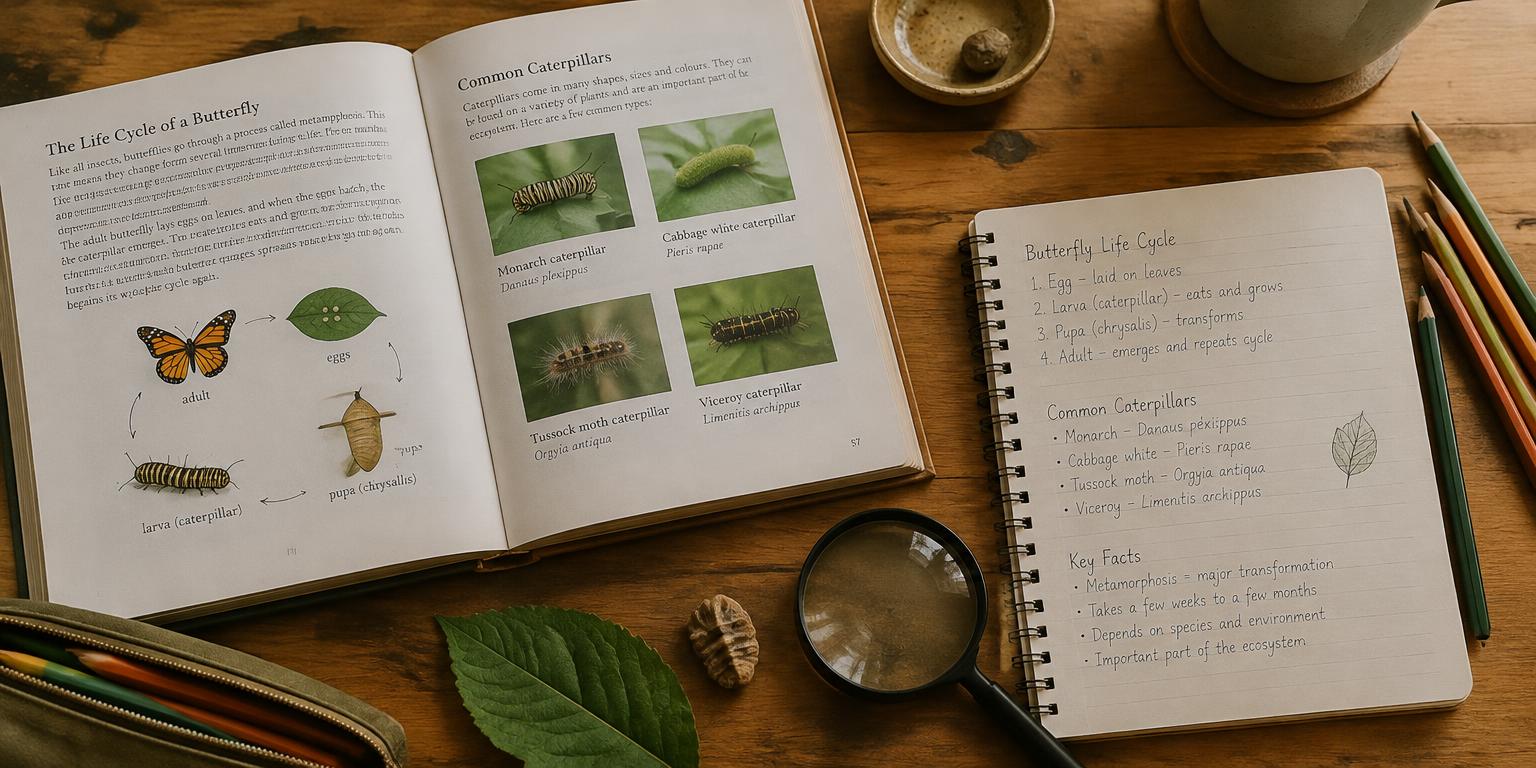
Beginning with a child's question and uncovering the answer through short videos and simple investigations.
A rhythm, not a checklist
5–45 min a day- 1
Read
Read or listen to the assigned lesson together.
Core - 2
Watch
Short Instructional Video
Core - 3
Discuss
Built-In Discussion Pauses
Core - 4
Explore
Hands-On Investigation
Core
Most families move through the core steps and dip into enrichment when there's room — not every activity happens every day.
Learner fit
Fit at a glance
Who tends to thrive here, seen through all three lenses. Tap any lens to see more.
Learning Approach
Best for Curious Explorer & Collaborative Learner
See more
- Curious ExplorerExcellent fit
Every lesson opens with a short, high-production video built around a real, provocative question, explicitly designed to make a child "lean forward" before a h…
- Collaborative LearnerExcellent fit
The video-pause-and-discuss format is explicitly built around an actively facilitating adult co-constructing understanding with the child in real time, ideal f…
- Reflective ThinkerGood fit
Built-in discussion pause points in each video invite the child to reason through a question before the investigation resolves it, though the pace is quick rat…
- Persistent SolverPossible fit
Lessons are short, self-contained mini-mysteries rather than a cumulative, multi-step mastery sequence, so the format rewards curiosity bursts more than sustai…
Learning Conditions
Thrives with Movement & Variety & Safety
See more
- Movement & VarietyExcellent fit
Nearly every lesson pairs video viewing with a distinct hands-on investigation using household materials, giving the child frequent, varied physical activity r…
- SafetyGood fit
The open-ended discussion format and lack of formal tests or workbook grading reduce performance pressure, though the fast pace across many discrete topics off…
- StructurePossible fit
Individual lessons follow a consistent video-then-investigation shape, but the overall program is a flexible, high-choice library of discrete mysteries rather…
- OwnershipPossible fit
Because the adult actively drives video pausing and discussion, the child has real voice in the conversation but little control over pacing, sequence, or which…
Learning Progression
Under review
Progression is still being verified, so it isn't used to judge fit yet.
Fit is about match, not quality — Mystery Science can work well with the right supports.
Alternatives
If you like Mystery Science, also consider



Go deeper
The full breakdown
Full editorial review
Overall Match
Mystery Science is for families who want an open-and-go, video-anchored science experience that a non-expert parent can run confidently, pairing short professionally produced videos with hands-on investigations using household materials.
Best Fit
Great for K-5 families who want broad, standards-aligned coverage across life, earth/space, physical science, and engineering topics, delivered in short discussion-driven bursts rather than a single-subject deep dive.
Families Often Appreciate
- Short, engaging videos that require no science background to facilitate
- Built-in discussion pause points that turn the parent into an active co-teacher
- Hands-on investigations using household materials rather than a proprietary kit
- Low daily prep and flexible lesson length (5-45 minutes)
Consider Another Option If
- You want a single-subject, in-depth science course rather than a broad survey
- You want a Christian or faith-integrated worldview woven through the material
- You need a program that extends beyond grade 5
THS Learner Analysis
How Your Child Learns
Curious Explorer
Excellent fitEvery lesson opens with a short, high-production video built around a real, provocative question, explicitly designed to make a child "lean forward" before a hands-on investigation answers it.
Reflective Thinker
Good fitBuilt-in discussion pause points in each video invite the child to reason through a question before the investigation resolves it, though the pace is quick rather than deeply reflective.
Collaborative Learner
Excellent fitThe video-pause-and-discuss format is explicitly built around an actively facilitating adult co-constructing understanding with the child in real time, ideal for a shared, talk-it-out learning style.
Persistent Solver
Possible fitLessons are short, self-contained mini-mysteries rather than a cumulative, multi-step mastery sequence, so the format rewards curiosity bursts more than sustained effort on one problem.
Learning Environment
Safety
Good fitThe open-ended discussion format and lack of formal tests or workbook grading reduce performance pressure, though the fast pace across many discrete topics offers less room to linger on a concept a child finds difficult.
Structure
Possible fitIndividual lessons follow a consistent video-then-investigation shape, but the overall program is a flexible, high-choice library of discrete mysteries rather than a fixed, externally paced daily schedule.
Ownership
Possible fitBecause the adult actively drives video pausing and discussion, the child has real voice in the conversation but little control over pacing, sequence, or which mysteries to tackle when, since the parent typically selects and leads each session.
Movement & Variety
Excellent fitNearly every lesson pairs video viewing with a distinct hands-on investigation using household materials, giving the child frequent, varied physical activity rather than one repeated format.
How Skills Build Over Time
We haven't yet confirmed whether this program follows a Mastery, Spiral, or Hybrid progression.
The curriculum is organized as a broad survey of many discrete K-5 science phenomena (life, earth/space, physical science, engineering) rather than a single-discipline, cumulative mastery sequence, with each mystery unit largely self-contained.
Research & evidence
Frequently asked questions
FAQs for this curriculum are coming soon. Have a specific question? Send it in.
Related articles
The articles library goes live soon. In the meantime, read about the framework this review uses.
Not sure yet?
Take the 2-minute Learning Profile Quiz
See how Mystery Science — and thirty other curricula — rank against your child's profile.
Start the quiz →Looking for another curriculum? Suggest one for us to review.