

NOEO Science
A low-prep, hands-on, discipline-organized (Biology/Chemistry/Physics) science curriculum for grades 1-8/9 with dedicated experiment kits, offered in both a light-Christian-content regular edition and a worldview-neutral Charter Edition.
View course breakdown
- Grade range
- Grades 1-8, organized in three levels (Level 1: grades 1-3; Level 2: grades 4-6; Level 3: grades 7-8, informally extended to grade 9)
- Format
- A discipline-organized (Biology, Chemistry, Physics, with geology/weather/astronomy folded in) science curriculum for grades 1-8/9, built around a dedicated per-course experiment kit and a Student Lab Manual, available in a regular edition with light Christian content or a Charter Edition with Christian content removed for charter-school reimbursement eligibility.
- What's included
- Student Lab Manual; dedicated per-course experiment kit (e.g., pocket microscope/slides for Biology 2, Snap Circuits kit for Physics 3, 250+ experiment kit for Chemistry 3); optional video guides for complex experiments only; no formal tests, with narration/notebooking-based assessment instead.
- Consumable
- Yes
- Role
- Core
- Daily time
- 15–80 minutes
- Approximate cost
- $105–$300 — Official publisher pages do not list an exact dollar figure; secondary reviewers cite a $105-$300 per year range depending on level and course.
Quick decision
In a sentence
Each course ships with its own purpose-built experiment kit (such as a pocket microscope for Biology or a Snap Circuits kit for Physics) rather than generic household-material substitutions, and the curriculum offers a Charter Edition with Christian content specifically removed for charter-school funding eligibility.
A great fit if
Children and families who tend to thrive here.
- Families wanting a low-prep, hands-on, discipline-organized science curriculum with dedicated experiment kits, including charter-school families needing a worldview-neutral edition for reimbursement.
Think twice if
Where it may take more adjusting.
- Families wanting an integrated, grade-level science survey rather than discipline-by-discipline courses, or families wanting explicit coverage of evolution/origins topics either way.
Parent Experience
What day-to-day actually looks like
How much work this is for you, how independent your child can be, and what a week feels like.

At a glance
Your day with this program
Daily time
15–80 min
Prep
Low
Parent at the table
High
Course Structure
—
Prep required
How much do I do before the lesson?
Explicitly "open-and-go," roughly 5-10 minutes of prep per week per source.
Parent involvement
How much am I at the table?
High at Level 1, decreasing at Levels 2/3; source rates Teaching Involvement as High (L1) → Moderate (L2/3).
Student independence
How much can my child carry?
Low at Level 1, rising to Moderate-High at Levels 2/3.
Daily workload
How much of the day does this take?
A steady, typical daily load for the subject.
Cognitive demand
How hard is the thinking?
Source rates Cognitive Demand as Moderate-High.
Hands-on level
How much making and doing?
Dedicated per-course experiment kits (pocket microscope for Biology 2, Snap Circuits for Physics 3, 250+ experiment kit for Chemistry 3).
Flexibility
Can we bend it to our week?
Source rates Flexibility as Moderate-High; supports 2-day vs. 4-day weekly schedules.
Screen time
How much happens on a device?
No core video; optional video guides for complex experiments only.
A Typical Day
What a lesson feels like
A parent leads Level 1 (grades 1-3) closely, decreasing to more independent work at Level 2 (4-6) and Level 3 (7-8/9), with the student working through the Student Lab Manual and dedicated experiment kit for each course, using narration and notebooking rather than formal tests to demonstrate understanding.
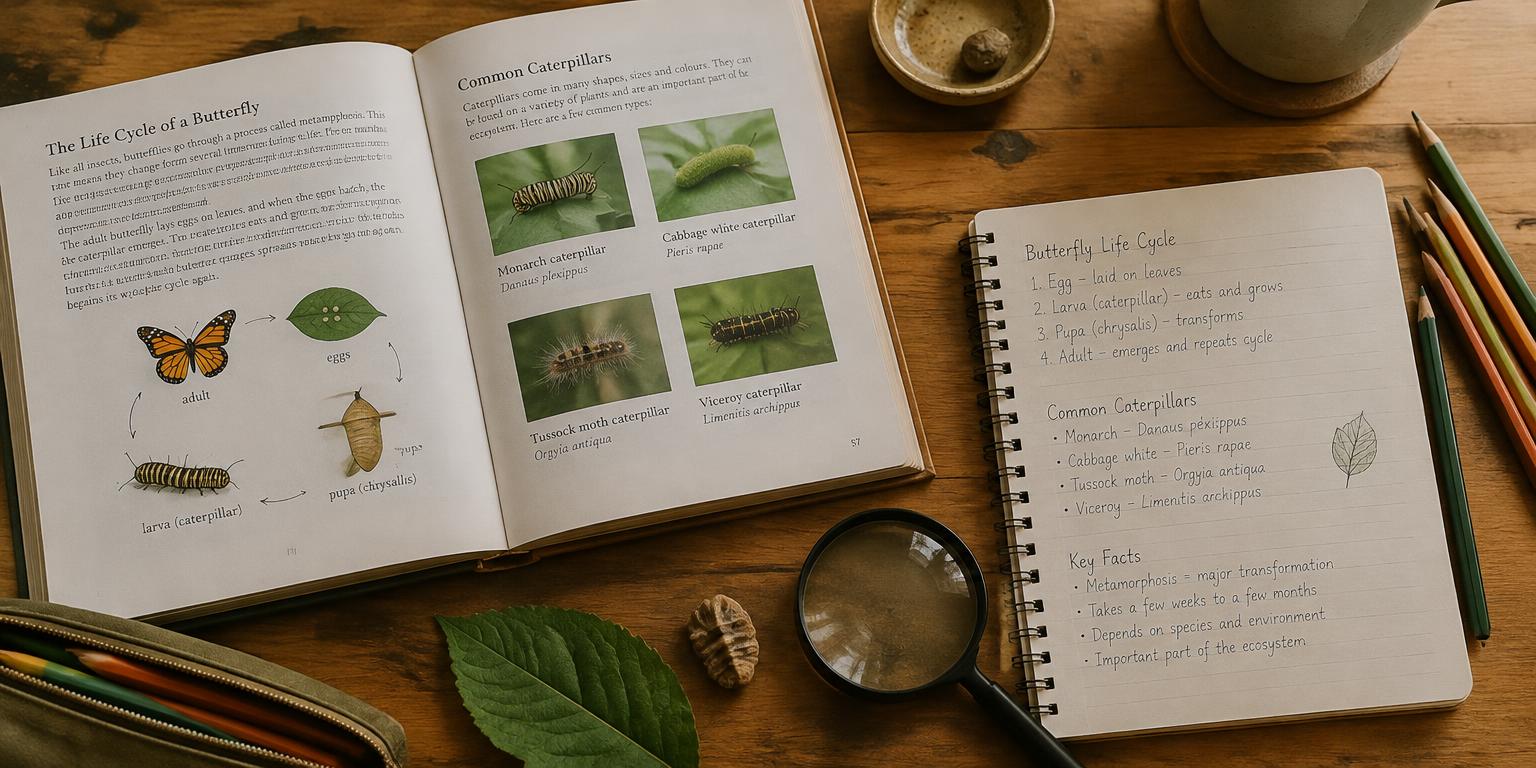
Combining excellent science books with regular hands-on experiments.
A rhythm, not a checklist
15–80 min a day- 1
Read
Narration And Notebooking Assessment
Core - 2
Discuss
Talk through the ideas and check comprehension.
Core - 3
Record
Notebooking, narration, mapping, or written work.
Core - 4
Explore
Dedicated Per-Course Experiment Kits
Core
Most families move through the core steps and dip into enrichment when there's room — not every activity happens every day.
Learner fit
Fit at a glance
Who tends to thrive here, seen through all three lenses. Tap any lens to see more.
Learning Approach
Best for Reflective Thinker & Collaborative Learner
See more
- Reflective ThinkerExcellent fit
Narration and notebooking-based assessment (rather than formal tests) requires the student to actively process and articulate understanding in their own words…
- Collaborative LearnerGood fit
Elementary (Level 1): parent-led with shared family experiment time; the publisher encourages siblings sharing one course.
- Curious ExplorerPossible fit
Elementary (Level 1, gr 1-3): read, narrate, then experiment on a fixed 2- or 4-day schedule; hands-on, but the lesson path does not follow the child's own que…
- Persistent SolverPossible fit
Level 1 (grades 1–3) is parent-led reading of living science books plus experiments with high teaching involvement; sustained, independent lab work across a fu…
Learning Conditions
Thrives with Safety & Movement & Variety
See more
- SafetyExcellent fit
No formal tests exist at any level, with narration and notebooking used instead, removing graded-performance pressure across the full grade 1-9 span.
- Movement & VarietyExcellent fit
Source rates Hands-On Level as High, driven by dedicated per-course experiment kits purpose-built for each subject rather than generic or improvised materials.
- StructureGood fit
Each course follows a consistent Student Lab Manual and experiment-kit sequence, though daily lesson length varies from 15 to 80 minutes depending on grade and…
- OwnershipPossible fit
Elementary (Level 1): no topic or activity choice; independent extension work is described only for older students at Levels 2-3.
Learning Progression
Spiral
Topics return throughout the year, building a little more each time.
Fit is about match, not quality — NOEO Science can work well with the right supports.
Alternatives
If you like NOEO Science, also consider
Apologia Science
Each course commits an entire year to one science discipline through a warm, conversational read-aloud textbook explicitly written from a young-earth…
Berean Builders Science
The elementary sequence teaches science chronologically alongside history, while the middle/high school Discovering Design courses are explicitly des…

Gather 'Round Homeschool Science
Science is not sold as a discrete subject but is embedded within a much larger all-subjects-except-math unit-study curriculum, and hands-on activity…
Go deeper
The full breakdown
Full editorial review
Overall Match
NOEO Science is for families wanting a low-prep, hands-on, discipline-organized science curriculum with dedicated experiment kits for each course, available in both a light-Christian-content edition and a worldview-neutral Charter Edition.
Best Fit
Great for families who want genuinely hands-on science with minimal weekly prep (roughly 5-10 minutes) and either a light Christian framing or, for charter families, a worldview-neutral edition.
Families Often Appreciate
- Dedicated per-course experiment kits (e.g., pocket microscope for Biology, Snap Circuits for Physics, a 250+ experiment kit for Chemistry) rather than generic household substitutions
- An explicit publisher policy of leaving worldview control to parents and avoiding evolution/origins commentary in the regular edition
- A Charter Edition with Christian content removed for charter-school funding eligibility
- No formal tests — narration and notebooking-based assessment instead
Consider Another Option If
- You want an integrated, single grade-level science survey rather than discipline-by-discipline courses
- You want explicit, in-depth coverage of evolution or origins topics from either a secular or creationist stance
- You want a program from a company with no disclosed Christian ownership at all — some reviewers dispute calling this curriculum 'secular' given its Christian-owned parent company
THS Learner Analysis
How Your Child Learns
Curious Explorer
Possible fitElementary (Level 1, gr 1-3): read, narrate, then experiment on a fixed 2- or 4-day schedule; hands-on, but the lesson path does not follow the child's own questions.
Reflective Thinker
Excellent fitNarration and notebooking-based assessment (rather than formal tests) requires the student to actively process and articulate understanding in their own words after each lesson.
Collaborative Learner
Good fitElementary (Level 1): parent-led with shared family experiment time; the publisher encourages siblings sharing one course. Upper levels shift toward independent work.
Persistent Solver
Possible fitLevel 1 (grades 1–3) is parent-led reading of living science books plus experiments with high teaching involvement; sustained, independent lab work across a full-year discipline course arrives only at Levels 2–3.
Learning Environment
Safety
Excellent fitNo formal tests exist at any level, with narration and notebooking used instead, removing graded-performance pressure across the full grade 1-9 span.
Structure
Good fitEach course follows a consistent Student Lab Manual and experiment-kit sequence, though daily lesson length varies from 15 to 80 minutes depending on grade and chosen schedule (2-day vs. 4-day), reducing day-to-day predictability somewhat.
Ownership
Possible fitElementary (Level 1): no topic or activity choice; independent extension work is described only for older students at Levels 2-3.
Movement & Variety
Excellent fitSource rates Hands-On Level as High, driven by dedicated per-course experiment kits purpose-built for each subject rather than generic or improvised materials.
How Skills Build Over Time
Concepts return in short cycles, deepening a little each time.
Content is organized by scientific discipline across three levels (Level 1: grades 1-3; Level 2: grades 4-6; Level 3: grades 7-8, informally extended to grade 9), with parent involvement decreasing and student independence rising steadily from Level 1 through Level 3.
Research & evidence
Frequently asked questions
FAQs for this curriculum are coming soon. Have a specific question? Send it in.
Related articles
The articles library goes live soon. In the meantime, read about the framework this review uses.
Not sure yet?
Take the 2-minute Learning Profile Quiz
See how NOEO Science — and thirty other curricula — rank against your child's profile.
Start the quiz →Looking for another curriculum? Suggest one for us to review.