
Apologia Science
A warm, read-aloud, single-subject-per-year elementary science series with an explicitly Christian, young-earth creationist worldview, ideal for families wanting deep immersion in one discipline paired with Biblical worldview integration.
View course breakdown
- Grade range
- K-6 (elementary Young Explorer series; extends further via separate junior/senior high courses)
- Format
- A read-aloud, textbook-anchored, Charlotte Mason-influenced elementary science series delivering one science discipline per year (Astronomy, Botany, Zoology 1-3, Earth Science, Anatomy, Chemistry/Physics) with an explicitly Christian, young-earth creationist worldview throughout.
- Course Structure
- Single topic
- What's included
- Full-color hardcover/softcover textbook per course, optional consumable Notebooking Journal, optional paid Activity Videos add-on (~$79/course); no required proprietary manipulative kit.
- Consumable
- Varies
- Role
- Core
Quick decision
In a sentence
Each course commits an entire year to one science discipline through a warm, conversational read-aloud textbook explicitly written from a young-earth creationist Christian worldview, rather than surveying many topics or maintaining religious neutrality.
A great fit if
Children and families who tend to thrive here.
- Christian homeschool families who want an explicitly young-earth creationist science curriculum delivered through warm, conversational read-aloud immersion in one discipline per year.
Think twice if
Where it may take more adjusting.
- Secular families, families wanting standards-mapped (e.g., NGSS) content, or families wanting a broad multi-topic survey rather than single-discipline depth.
Ready to try it?
Find Apologia Science on Amazon.
Affiliate Disclosure: This page contains affiliate links. If you purchase through these links, The Thoughtful Homeschool may earn a commission at no additional cost to you. Full disclosure
Parent Experience
What day-to-day actually looks like
How much work this is for you, how independent your child can be, and what a week feels like.
At a glance
Your day with this program
Daily time
Varies
Prep
Low
Parent at the table
High
Course Structure
Single topic
Prep required
How much do I do before the lesson?
Source rates Preparation as Low-Moderate.
Parent involvement
How much am I at the table?
Source rates Teaching Involvement as High.
Student independence
How much can my child carry?
Source rates Student Independence as Low-Moderate, rising with age.
Daily workload
How much of the day does this take?
A steady, typical daily load for the subject.
Cognitive demand
How hard is the thinking?
Source rates Cognitive Demand as Moderate-High.
Hands-on level
How much making and doing?
Occasional manipulatives, projects, or experiments.
Flexibility
Can we bend it to our week?
Easy to speed up, slow down, or rearrange.
Screen time
How much happens on a device?
Video is an optional paid add-on, not required for core instruction.
A Typical Day
What a lesson feels like
A parent reads the textbook aloud to the child in a conversational, narrative style, pausing for discussion and hands-on activities woven into the text, with the child completing notebooking pages and occasional experiments rather than following a workbook with tests.
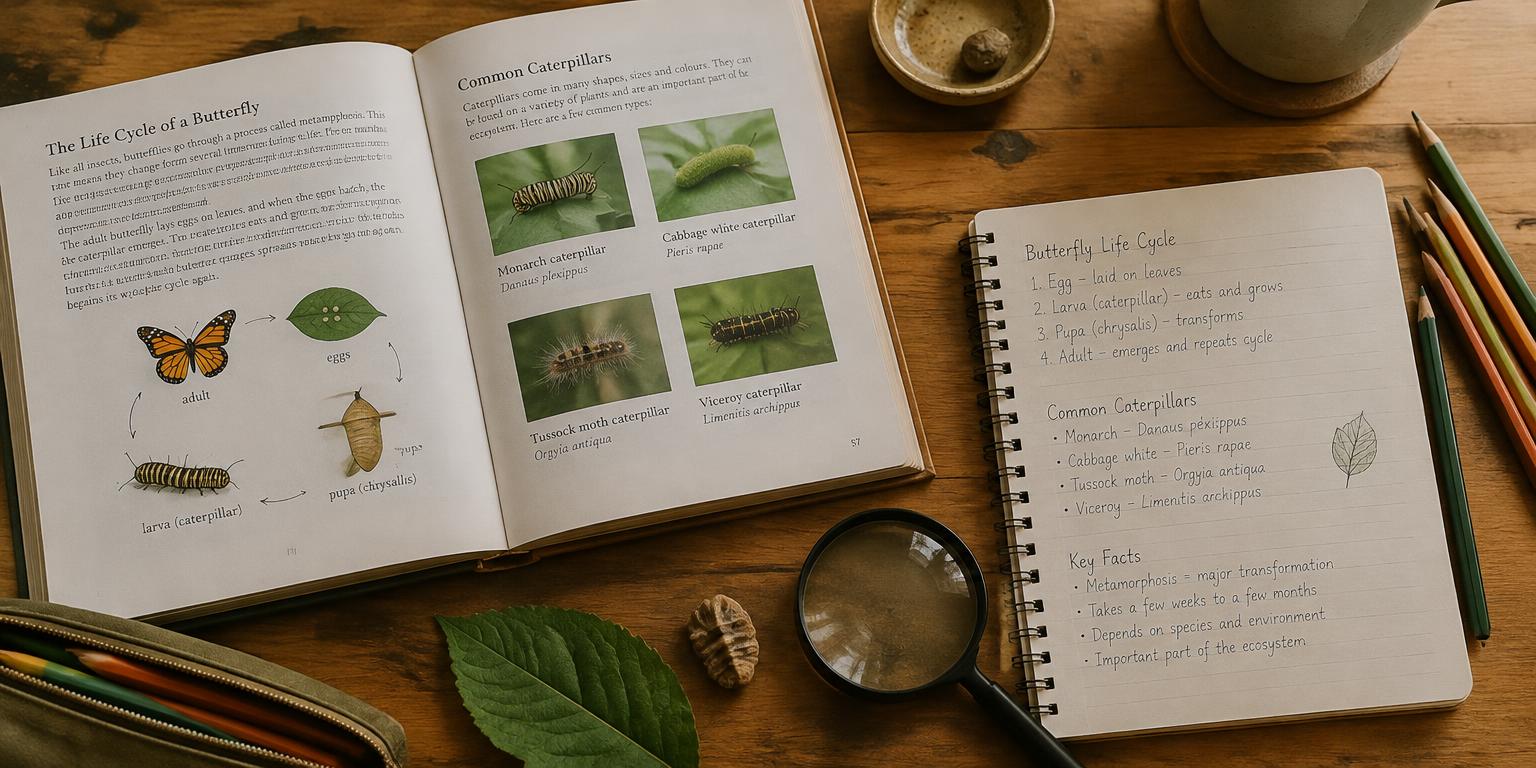
Settling in together with a detailed science book and exploring one topic deeply.
A rhythm, not a checklist
- 1
Read
Parent Read-Aloud Narrative Textbook
Core - 2
Discuss
Talk through the ideas and check comprehension.
Core - 3
Record
Notebooking, narration, mapping, or written work.
Core - 4
Explore
Hands-On Experiments Woven Into Text
Core
Most families move through the core steps and dip into enrichment when there's room — not every activity happens every day.
Learner fit
Fit at a glance
Who tends to thrive here, seen through all three lenses. Tap any lens to see more.
Learning Approach
Best for Reflective Thinker & Collaborative Learner
See more
- Reflective ThinkerExcellent fit
Notebooking journal pages ask the child to record observations, drawings, and written reflections on each reading, supporting a quiet, individually-processed m…
- Collaborative LearnerGood fit
The read-aloud format is inherently a shared parent-child activity with built-in discussion, though it is less structured around peer or group discourse than a…
- Curious ExplorerPossible fit
Young Explorers (K-6): "conversational tone...
- Persistent SolverPossible fit
There is no formal skill-drill or test-based progression; a year of single-subject immersion rewards sustained interest in one topic more than incremental prob…
Learning Conditions
Thrives with Structure & Safety
See more
- StructureExcellent fit
Each course follows a fixed, single-discipline yearlong textbook sequence with a consistent read-aloud-then-notebooking rhythm, giving every lesson a predictab…
- SafetyGood fit
The absence of formal tests and the warm, narrative read-aloud format reduce performance pressure, though the fixed, publisher-written sequence offers less roo…
- Movement & VarietyGood fit
Hands-on activities and nature study are woven into the text, but the core daily mode is read-aloud and notebooking rather than frequent, varied physical inves…
- OwnershipPossible fit
Because a parent reads the textbook aloud and leads the sequence set by the publisher, the child has limited control over pacing, topic order, or content choic…
Learning Progression
Under review
Progression is still being verified, so it isn't used to judge fit yet.
Fit is about match, not quality — Apologia Science can work well with the right supports.
Alternatives
If you like Apologia Science, also consider
Berean Builders Science
The elementary sequence teaches science chronologically alongside history, while the middle/high school Discovering Design courses are explicitly des…
Gather 'Round Homeschool Science
Science is not sold as a discrete subject but is embedded within a much larger all-subjects-except-math unit-study curriculum, and hands-on activity…
Go deeper
The full breakdown
Full editorial review
Overall Match
Apologia Young Explorer science is for Christian families who want to immerse their child in one science discipline per year through warm, conversational read-aloud text explicitly grounded in a young-earth creationist Biblical worldview.
Best Fit
Great for families who value single-subject depth over breadth, enjoy reading aloud together, and want faith and science taught as unified rather than separate.
Families Often Appreciate
- Rich, narrative, conversational textbook writing that reads like a story rather than a dry reference
- A full year of depth in a single discipline (astronomy, botany, zoology, earth science, anatomy, or chemistry/physics)
- Explicit Biblical worldview integration throughout, rather than faith bolted on separately
- Optional consumable Notebooking Journal and optional Activity Videos for added structure
Consider Another Option If
- You want a secular, faith-neutral science curriculum
- You want content mapped to national science standards (e.g., NGSS)
- You want a broad survey across many topics in a single year rather than single-discipline depth
THS Learner Analysis
How Your Child Learns
Curious Explorer
Possible fitYoung Explorers (K-6): "conversational tone... like a conversation with a teacher," with a fixed explanation-then-notebooking sequence; read-aloud and parent-mediated.
Reflective Thinker
Excellent fitNotebooking journal pages ask the child to record observations, drawings, and written reflections on each reading, supporting a quiet, individually-processed mode of understanding.
Collaborative Learner
Good fitThe read-aloud format is inherently a shared parent-child activity with built-in discussion, though it is less structured around peer or group discourse than a discussion-pause video format.
Persistent Solver
Possible fitThere is no formal skill-drill or test-based progression; a year of single-subject immersion rewards sustained interest in one topic more than incremental problem-solving practice.
Learning Environment
Safety
Good fitThe absence of formal tests and the warm, narrative read-aloud format reduce performance pressure, though the fixed, publisher-written sequence offers less room for a struggling child to set their own pace within a topic.
Structure
Excellent fitEach course follows a fixed, single-discipline yearlong textbook sequence with a consistent read-aloud-then-notebooking rhythm, giving every lesson a predictable shape.
Ownership
Possible fitBecause a parent reads the textbook aloud and leads the sequence set by the publisher, the child has limited control over pacing, topic order, or content choices, especially at the youngest grades.
Movement & Variety
Good fitHands-on activities and nature study are woven into the text, but the core daily mode is read-aloud and notebooking rather than frequent, varied physical investigation, and source rates Hands-On Level as only Moderate.
How Skills Build Over Time
We haven't yet confirmed whether this program follows a Mastery, Spiral, or Hybrid progression.
Each course is a self-contained, single-discipline year (e.g., Zoology 1, 2, 3 cover different animal kingdoms across different years) rather than a cumulative skill-drill sequence, with no standards mapping tying courses together.
Research & evidence
Frequently asked questions
FAQs for this curriculum are coming soon. Have a specific question? Send it in.
Related articles
The articles library goes live soon. In the meantime, read about the framework this review uses.
Not sure yet?
Take the 2-minute Learning Profile Quiz
See how Apologia Science — and thirty other curricula — rank against your child's profile.
Start the quiz →Looking for another curriculum? Suggest one for us to review.