
Science Shepherd
A video-led, young-earth-creationist Christian science curriculum for grades 1-12 that requires little daily parent teaching, builds strong student independence, and offers a CLEP-eligible Biology course at the high school level.
View course breakdown
- Grade range
- Grades 1-12 (Introductory Science 1-5; Physical Science, Astronomy, Biblical Archaeology, Life Science, Fundamentals of Chemistry/Physics 6-9; Biology 9-12)
- Format
- A young-earth-creationist Christian science curriculum for grades 1-12 anchored by short daily on-camera video lessons from Dr. Scott Hardin, paired with workbooks and, at higher levels, full coursebooks with formal testing.
- What's included
- Daily video lessons (streaming or DVD); Level A/B workbooks at elementary; full coursebooks, Test Booklet, and Answer Key & Parent Companion at Life Science/Chemistry/Physics/Biology; a lab kit (microscope, slides, dissection kit) for Biology.
- Consumable
- Yes
- Role
- Core
- Daily time
- 2–15 minutes
Quick decision
In a sentence
An independent theological reviewer found the curriculum's apologetics framework collapses old-earth and theistic-evolution positions into a single opposing category, favoring a strict young-earth (approximately 6,000-year) reading more assertively than many other Christian science competitors.
A great fit if
Children and families who tend to thrive here.
- Young-earth creationist Christian families wanting a video-led, largely independent science curriculum with formal assessments and a CLEP pathway at the high school level.
Think twice if
Where it may take more adjusting.
- Families wanting a secular or theologically moderate (old-earth/theistic-evolution-friendly) Christian science program, or families wanting heavy parent-child co-teaching time.
Parent Experience
What day-to-day actually looks like
How much work this is for you, how independent your child can be, and what a week feels like.

At a glance
Your day with this program
Daily time
2–15 min
Prep
Low
Parent at the table
Low
Course Structure
—
Prep required
How much do I do before the lesson?
Source rates Preparation as Low-Moderate; Biology requires lab kit setup.
Parent involvement
How much am I at the table?
One source explicitly states "Parent Involvement: None"; source overall rates Teaching Involvement as Low.
Student independence
How much can my child carry?
Most of the daily work can be done independently.
Daily workload
How much of the day does this take?
A steady, typical daily load for the subject.
Cognitive demand
How hard is the thinking?
Asks your child to think hard and sit with difficulty.
Hands-on level
How much making and doing?
Biology-level lab kit (microscope, slides, dissection kit) is the main hands-on component.
Flexibility
Can we bend it to our week?
Easy to speed up, slow down, or rearrange.
Screen time
How much happens on a device?
Daily video 2-5 minutes (elementary) to 5-15 minutes (middle/high school) at every level.
A Typical Day
What a lesson feels like
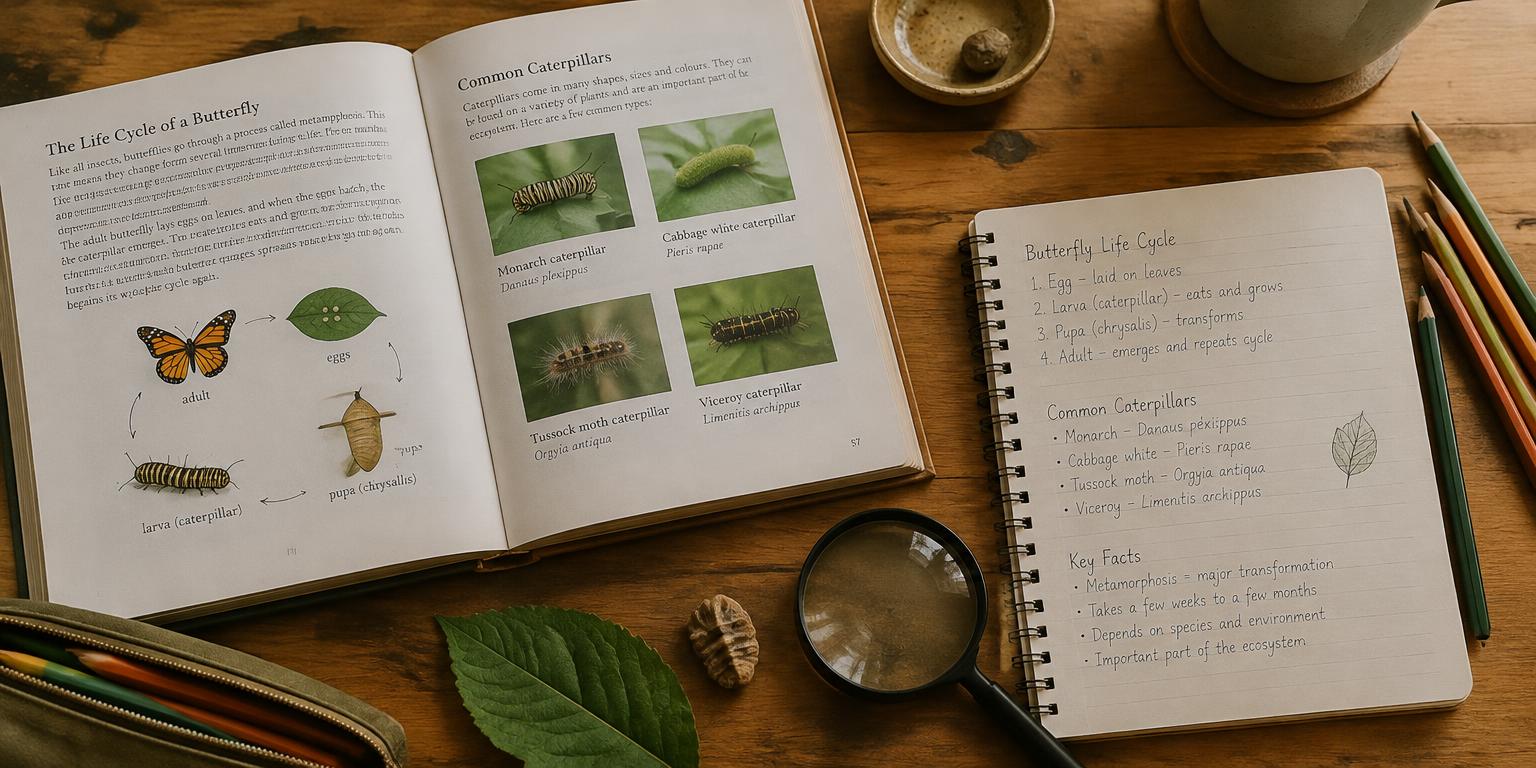
The student watches a short daily video lesson (2-5 minutes at elementary, 5-15 minutes at middle/high school) led by Dr. Hardin on camera, then completes the corresponding workbook or coursebook section independently, with formal tests given at Life Science level and above.
A rhythm, not a checklist
2–15 min a day- 1
Read
Independent Workbook/Coursebook Completion
Core - 2
Watch
Short Daily On-Camera Video Lessons
Core - 3
Discuss
Talk through the ideas and check comprehension.
Core - 4
Record
Notebooking, narration, mapping, or written work.
Core
Most families move through the core steps and dip into enrichment when there's room — not every activity happens every day.
Learner fit
Fit at a glance
Who tends to thrive here, seen through all three lenses. Tap any lens to see more.
Learning Approach
Best for Reflective Thinker & Curious Explorer
See more
- Reflective ThinkerGood fit
Introductory Science (grades 1–5) uses daily 2–5 minute videos with a workbook used during and after each lesson; the open-and-go format allows independent stu…
- Curious ExplorerPossible fit
Short daily videos deliver content efficiently but in a fixed, presenter-led format rather than open-ended, student-driven exploration.
- Collaborative LearnerPossible fit
Source rates parent involvement as low to none and the format is built around one student watching a video and working independently, with no built-in group or…
- Persistent SolverPossible fit
Introductory Science (grades 1–5) pairs short video lessons with a gentle workbook.
Learning Conditions
Thrives with Structure & Safety
See more
- StructureExcellent fit
A consistent daily video-then-workbook routine at every level, plus a defined formal testing schedule at upper levels, gives the program a highly predictable s…
- SafetyGood fit
Elementary (Introductory Science): short, low-pressure videos and "no tests/quizzes." Formal Test Booklets begin at Life Science and above.
- OwnershipGood fit
Elementary (Introductory Science): video plus workbook with a self-paced option but no topic or activity choice.
- Movement & VarietyGood fit
Hands-on activity is rated only Moderate overall, concentrated mainly in the Biology lab kit (microscope, slides, dissection), with most other levels leaning o…
Learning Progression
Under review
Progression is still being verified, so it isn't used to judge fit yet.
Fit is about match, not quality — Science Shepherd can work well with the right supports.
Alternatives
If you like Science Shepherd, also consider
Apologia Science
Each course commits an entire year to one science discipline through a warm, conversational read-aloud textbook explicitly written from a young-earth…
Berean Builders Science
The elementary sequence teaches science chronologically alongside history, while the middle/high school Discovering Design courses are explicitly des…

Gather 'Round Homeschool Science
Science is not sold as a discrete subject but is embedded within a much larger all-subjects-except-math unit-study curriculum, and hands-on activity…
Go deeper
The full breakdown
Full editorial review
Overall Match
Science Shepherd is for young-earth creationist Christian families who want a video-led science curriculum that a student can work through largely independently, with formal testing and a CLEP-eligible Biology course.
Best Fit
Great for families wanting minimal daily teaching involvement and a student capable of working independently from short video lessons.
Families Often Appreciate
- Short, engaging daily on-camera video lessons from Dr. Scott Hardin
- Formal Test Booklets and Answer Key & Parent Companion at Life Science level and above
- A CLEP-eligible high school Biology course
- Low ongoing parent-teaching burden thanks to the video-led format
Consider Another Option If
- You want a science curriculum compatible with old-earth or theistic-evolution views — an independent theological review found the apologetics framing narrower and more strictly young-earth than some competitors
- You want heavy parent-child co-teaching time rather than a largely independent, video-led format
- You want a firmly published price rather than bundle/subscription pricing that varies
THS Learner Analysis
How Your Child Learns
Curious Explorer
Possible fitShort daily videos deliver content efficiently but in a fixed, presenter-led format rather than open-ended, student-driven exploration.
Reflective Thinker
Good fitIntroductory Science (grades 1–5) uses daily 2–5 minute videos with a workbook used during and after each lesson; the open-and-go format allows independent study, rewatching, and self-paced processing with no tests. Built-in explanation, narration, or connecting ideas across lessons is limited to workbook questions and occasional activities.
Collaborative Learner
Possible fitSource rates parent involvement as low to none and the format is built around one student watching a video and working independently, with no built-in group or peer component.
Persistent Solver
Possible fitIntroductory Science (grades 1–5) pairs short video lessons with a gentle workbook. Formal coursebooks, test booklets, and the CLEP-eligible Biology course begin at Life Science (grades 6–9 and up).
Learning Environment
Safety
Good fitElementary (Introductory Science): short, low-pressure videos and "no tests/quizzes." Formal Test Booklets begin at Life Science and above.
Structure
Excellent fitA consistent daily video-then-workbook routine at every level, plus a defined formal testing schedule at upper levels, gives the program a highly predictable shape.
Ownership
Good fitElementary (Introductory Science): video plus workbook with a self-paced option but no topic or activity choice. Greater independence describes the upper courses.
Movement & Variety
Good fitHands-on activity is rated only Moderate overall, concentrated mainly in the Biology lab kit (microscope, slides, dissection), with most other levels leaning on video-plus-workbook rather than varied physical activity.
How Skills Build Over Time
We haven't yet confirmed whether this program follows a Mastery, Spiral, or Hybrid progression.
Coursework moves from short daily videos and simple workbooks in Introductory Science (grades 1-5) to full coursebooks with formal Test Booklets at Life Science, Chemistry, Physics, and Biology (grades 6-12), with Biology structured for CLEP credit.
Research & evidence
Frequently asked questions
FAQs for this curriculum are coming soon. Have a specific question? Send it in.
Related articles
The articles library goes live soon. In the meantime, read about the framework this review uses.
Not sure yet?
Take the 2-minute Learning Profile Quiz
See how Science Shepherd — and thirty other curricula — rank against your child's profile.
Start the quiz →Looking for another curriculum? Suggest one for us to review.