
Learning Approach · Lens 01
Four ways children
engage with learning
When new material shows up in front of your child, do they ask, wrestle, pause, or collaborate?
Two children can sit at the same table with the same lesson and experience it very differently. Knowing how your child naturally engages is often the fastest way to explain why a curriculum worked beautifully for one child and not another.
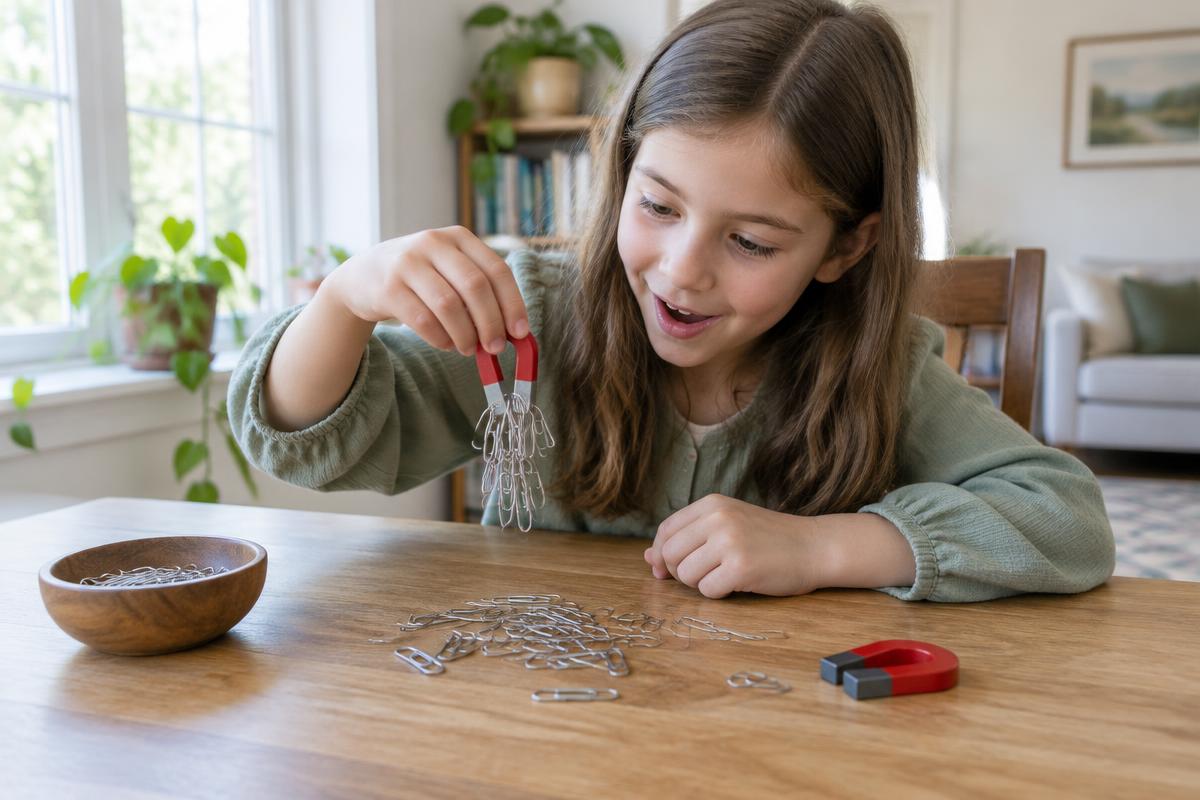
Curious Explorer
“What happens if…?”
Loves asking questions, making connections, and discovering how things work.
You might notice:Your child wants to experiment, explore a rabbit trail, or learn more about something that catches their attention.
Full profile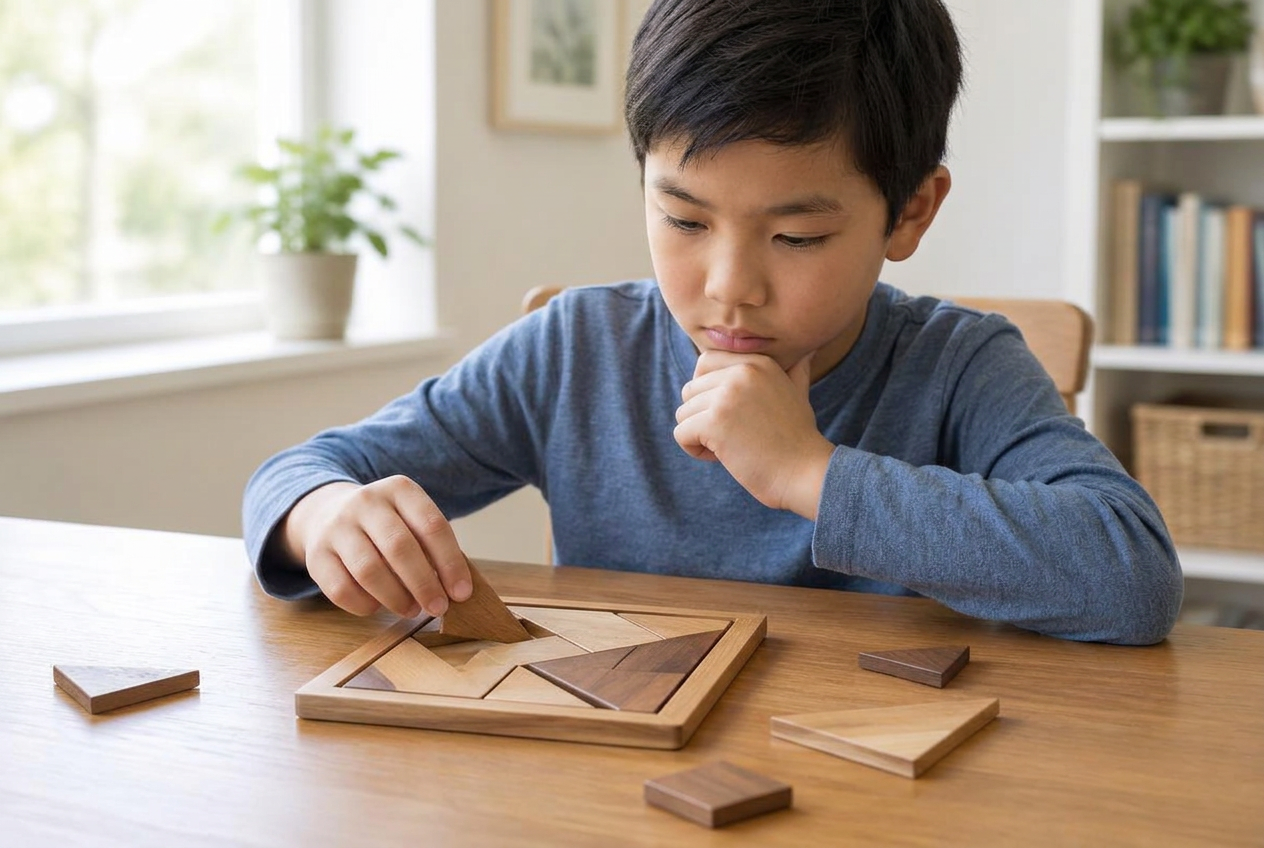
Persistent Solver
“Let me figure it out.”
Enjoys working through challenges and finding a way to solve a problem.
You might notice:Your child keeps trying different strategies, works through a tricky puzzle, or feels proud after figuring something out.
Full profile
Reflective Thinker
“Let me think about that.”
Likes time to process ideas, notice patterns, and develop deeper understanding.
You might notice:Your child thinks quietly before answering, makes thoughtful observations, or needs time to connect new ideas.
Full profile
Collaborative Learner
“Let's work on this together.”
Enjoys talking through ideas, sharing discoveries, and learning alongside others.
You might notice:Your child learns by discussing a question, explaining an idea aloud, or tackling an activity with someone else.
Full profileThese approaches aren't rigid labels. Most children lean toward one or two — and many show different approaches in different subjects. You may recognize your child in more than one quadrant, and that's exactly as it should be.